How to Read Tarot Cards for the First Time (Without Memorizing All 78 Meanings)
1S11:11 Soulutions · September 18, 2026 · 4 min read
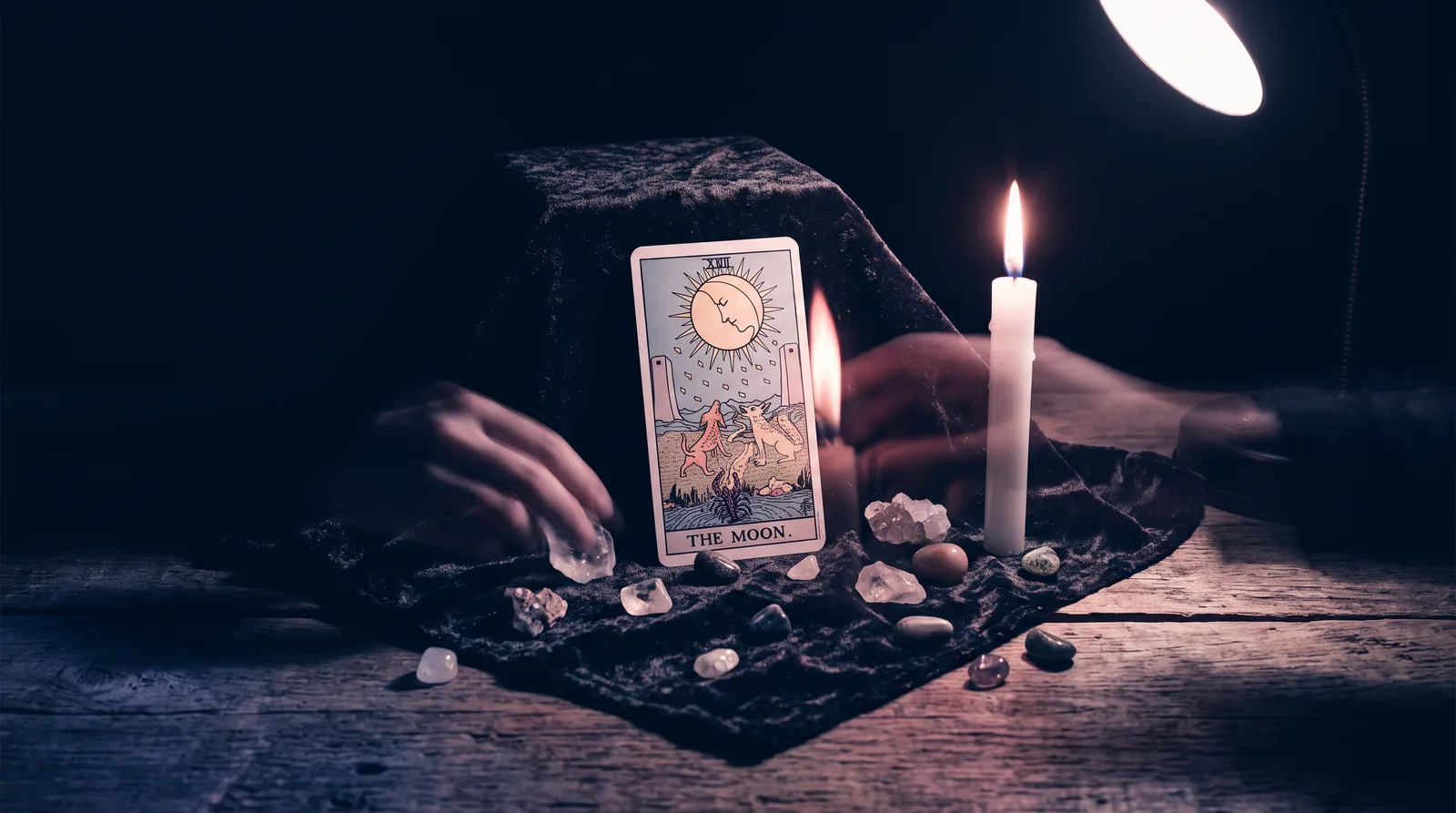
I want to let you in on something most tarot books won't tell you upfront: the readers who memorized every keyword in a guidebook aren't necessarily better readers than you. In fact, some of the most mechanical, disconnected readings I've ever seen came from people reciting definitions — and some of the most accurate ones came from total beginners who just looked at a card and said what they felt.
So if you've been putting off tarot because 78 cards feels like too much to hold in your head, you can put that worry down right now. Here's how to actually start — today.
Start With the Image, Not the Guidebook
Pull a card. Any card. Before you flip open a book or search anything online, just look at it.
Ask yourself three questions:
- What's literally happening in this image? Describe it like you're telling someone who can't see it. Who's there? What are they doing? What objects, colors, or symbols stand out?
- What's the emotional tone? Does the scene feel tense, peaceful, victorious, lonely, chaotic?
- If this image appeared in a dream, what would it mean to you?
That third question is where the magic is. Your subconscious already speaks in symbols. Tarot is just a structured system for meeting it halfway.
Learn the Two Halves of the Deck (Not All 78 Cards)
Here's a shortcut that will serve you for life: the tarot deck is divided into two sections, and understanding the difference between them gives you an immediate framework.
The Major Arcana (22 cards) — These deal with big, soul-level themes. When a Major Arcana card shows up, the situation carries weight. Think life chapters, karmic lessons, and turning points. The Fool, The Tower, The World — these are the archetype cards.
The Minor Arcana (56 cards) — These deal with the day-to-day. They're organized into four suits, each with its own domain:
- Wands → passion, creativity, ambition, energy
- Cups → emotions, relationships, intuition, the heart
- Swords → thoughts, conflict, communication, the mind
- Pentacles → money, work, the physical world, the body
You don't need to know what the Three of Swords means on day one. You just need to know: it's a Swords card, so this is about the mind, words, or conflict. Then look at the image. Three swords piercing a heart. What does that bring up for you? Heartbreak? Harsh words? A decision that hurt? You're already reading.
Use a Three-Card Spread to Practice
Three cards is the perfect starting layout because it gives you a story arc without overwhelming you. The classic structure:
Past → Present → Future
Or, if you're asking about a specific situation, try:
The situation → What's beneath it → What to do next
Lay the cards out. Read each one individually using the image-first method above. Then step back and ask: what story do these three cards tell together? Often the connection between cards reveals more than any single card could on its own.
Stop Second-Guessing Your First Impression
This is the single habit that separates people who develop real intuitive ability from those who stay stuck. Your first impression of a card — that flicker before your analytical brain kicks in — is data. It matters.
When you look at a card and instantly feel something, write it down before you look anything up. Build your own relationship with each image over time. The guidebook meaning is one lens. Your intuition is another. Both belong in the reading.
When to Use a Guidebook
Guidebooks aren't the enemy — they're just misused as a starting point when they're better as a check-in. After you've sat with a card and pulled your own impressions, by all means see what the traditional meaning adds. Sometimes it deepens your read. Sometimes your intuitive hit was more accurate for the specific question. Both outcomes teach you something.
The Real Secret to Confident Readings
Confidence in tarot doesn't come from knowing more — it comes from trusting yourself enough to say what you see. The symbolism in every card was designed to speak to the human subconscious. That includes yours. You already know more than you think you do.
The readers who go deepest are the ones who learn to work with their intuition rather than around it — and that's exactly what we build inside Intuitive Card Reading. If you want a structured, step-by-step path to fluid, confident readings for yourself and others, that's where we go deeper together.
But for now? Pull a card. Look at it. Trust what you feel. That's your first reading, and it counts.
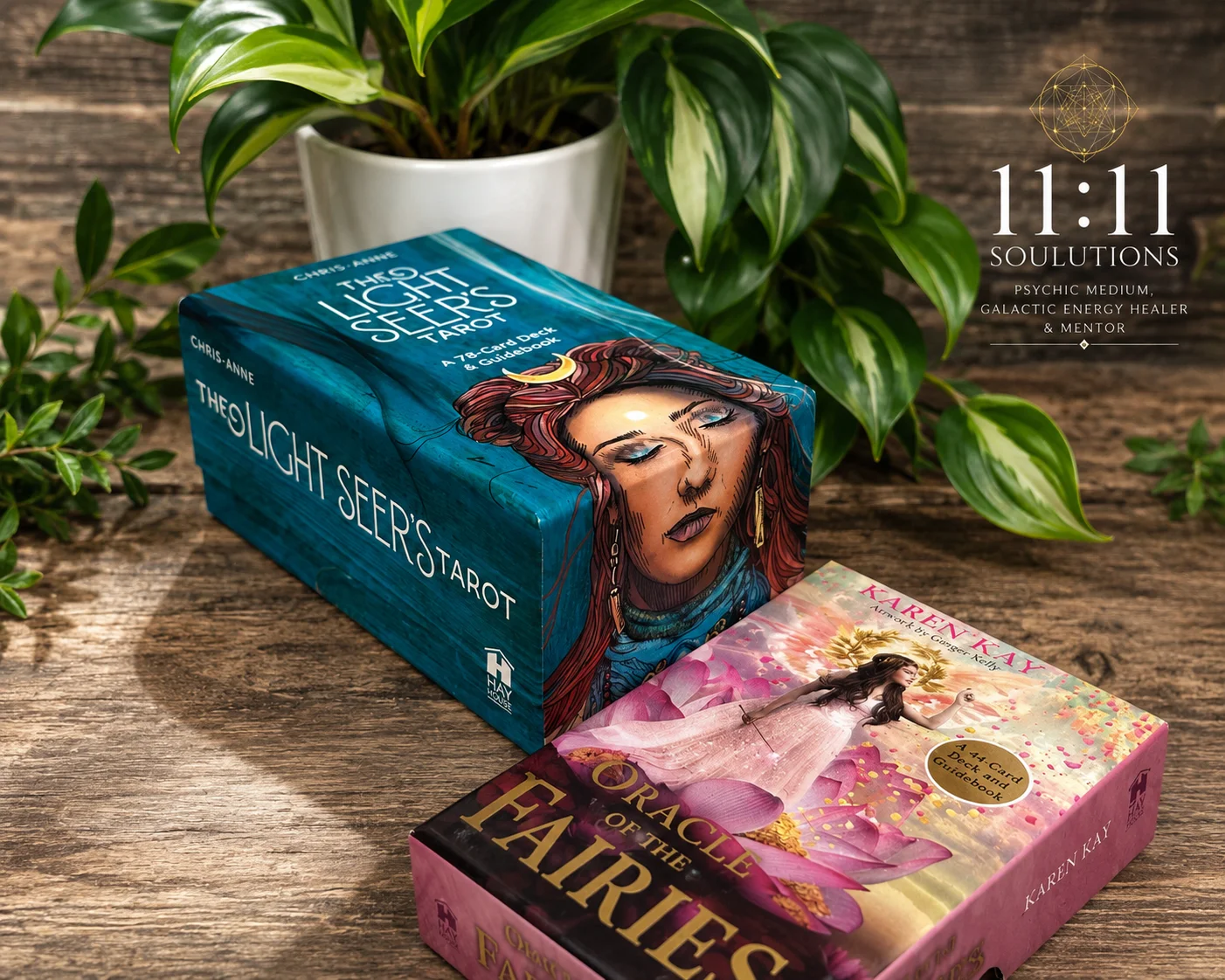
Want to go deeper than a blog post?
Intuitive Card Reading
Master the art of reading Oracle and Tarot cards with confidence — from understanding symbolism and card meanings to conducting intuitive, fluid readings for yourself and others.
Start learning — $99.99 · 30 days access